
Trapped Contaminants:
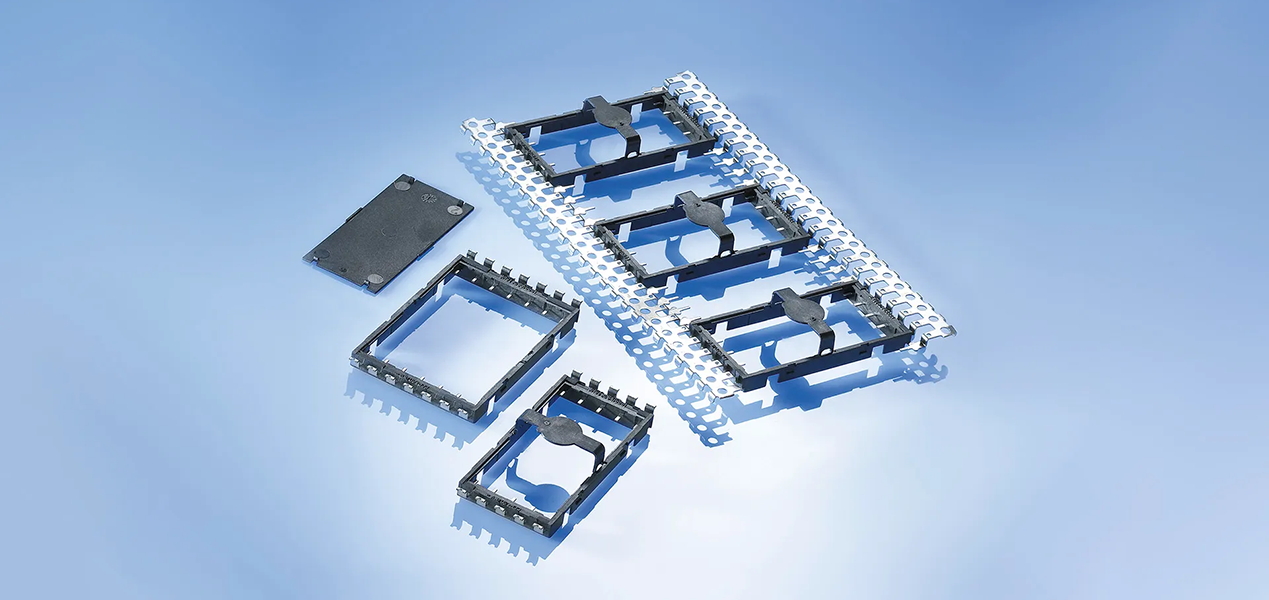
The Overlooked Impact of Flux and Plating Residues in Ceramic Components
When it comes to component reliability, few topics are as often overlooked—but as critically important—as internal flux and plating residues. These seemingly minor remnants from early process stages can quickly compromise performance, especially when moisture and encapsulation steps are introduced later in the process.
The Situation
Consider a ceramic substrate component in which leads are attached using a rosin-based, amine hydrochloride-activated flux. After assembly, these components are typically batched for cleaning prior to over-molding—a step meant to remove flux residues and contaminants before encapsulation.
However, even after this cleaning process, residues from the plating and flux can remain, particularly in tight gaps between leads or substrate surfaces. When residues are trapped beneath or between metallic features, they become difficult to remove through traditional cleaning methods.
Why It Matters
Residual amine hydrochloride salts are hygroscopic, meaning they attract and retain moisture from the environment. When encapsulated with even trace amounts of flux or plating residues present, these ionic contaminants can:
Increase leakage currents between leads
Promote corrosion beneath encapsulants
Create reliability risks during temperature and humidity exposure
Compromise the adhesion and uniformity of the over-mold material
The combination of residual flux and trapped moisture can lead to long-term electrical and chemical degradation—even when initial performance appears unaffected.
Common Root Causes
Foresite’s analytical investigations frequently identify the following contributors to residue-related issues in ceramic leaded components:
Inadequate cleaning validation after flux attachment
Batched cleaning that limits mechanical and chemical access to all residue sites
Incomplete rinse steps, leaving conductive residues in fine gaps
Flux activation strength that exceeds the capacity of the cleaning process
Moisture absorption during handling or storage prior to over-molding
How to Address the Issue
To ensure long-term reliability, cleanliness verification must be built into the component preparation process—not assumed from standard batch cleaning. That’s why our team at Foresite recommends:
Targeted cleanliness testing on representative samples before encapsulation
Analytical methods such as ion chromatography or surface ion analysis to detect amine hydrochloride and rosin residues
Process adjustments—for example, optimizing flux type, cleaning chemistry, or drying cycle
Surface inspection to ensure plating residue removal prior to over-molding
By verifying and controlling internal cleanliness, manufacturers can prevent encapsulated contamination from silently undermining component integrity.
If you’re seeing unexpected failures or corrosion in encapsulated or leaded ceramic components, Foresite can help pinpoint the root cause—and prevent recurrence. Reach out to our team of investigators today.